
Ignition repair, when the key will not turn
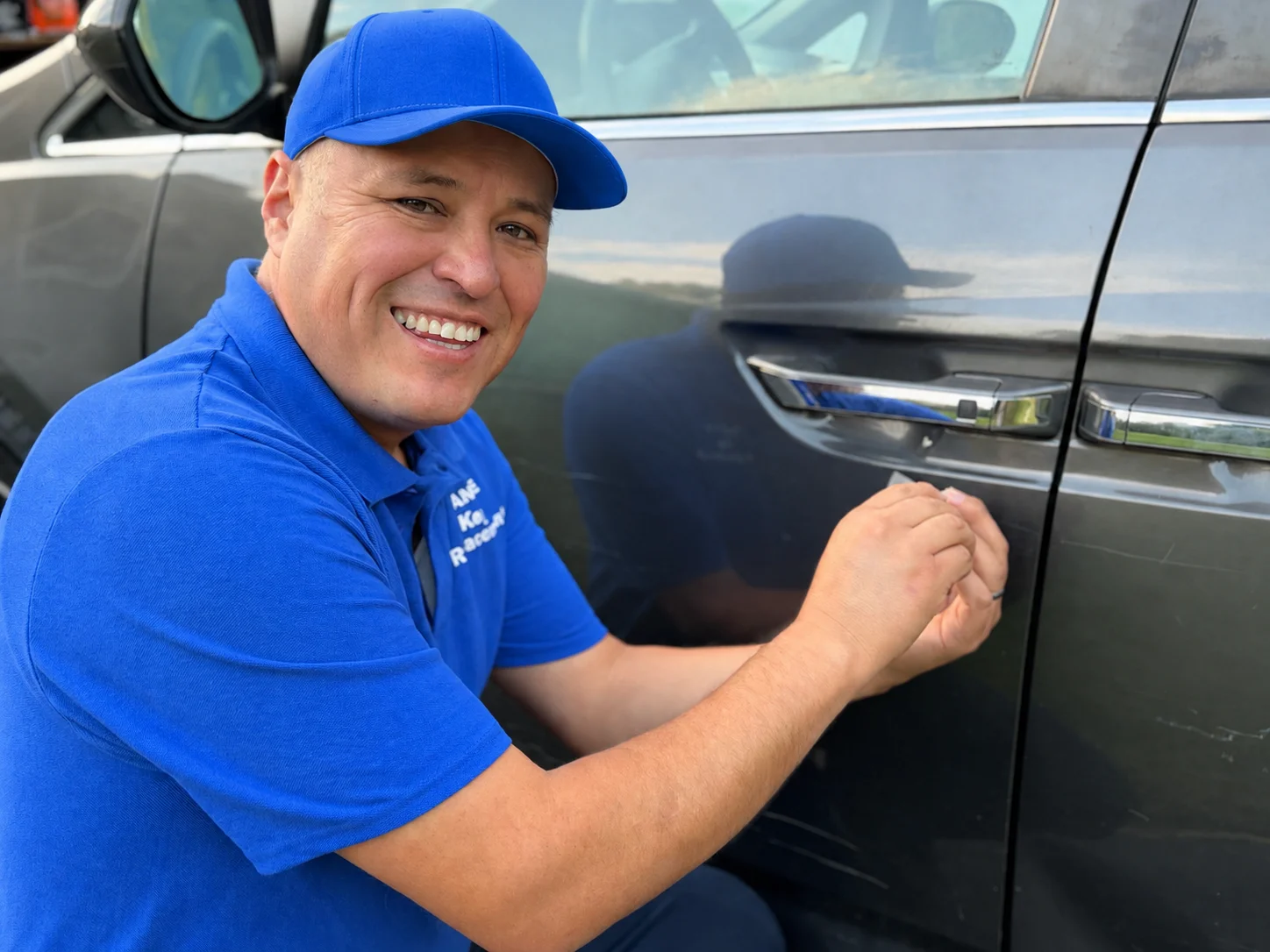
A key that will not turn to the on position is usually a worn ignition cylinder, not a worn key. It is fixed at the vehicle, which matters because a car that will not start cannot be driven to a garage.
Or send a service request online if you cannot call right now.
What this covers
- Worn ignition cylinders that no longer turn to the on position, the most common fault by a wide margin.
- Keys stuck in the ignition and cylinders that will not release the key.
- Chrysler, Dodge, and Jeep WIN modules, the electronic ignition node, replaced and programmed.
- Mercedes-Benz ESL and EIS work, the electronic steering lock and ignition switch.
- CT registered locksmithRegistration LCK.0000486
- Insured locksmithWork done by an insured business
- Upfront quote and ETABefore anyone is dispatched
- Pay after the workOnly once the job is done
- Family ownedLocal and accountable
- Damage free entryOur standard method

Why an ignition stops turning
An ignition cylinder wears from ordinary use. The key and the internal wafers wear against each other over years until they no longer line up, and the key will turn part way or not at all. The usual pattern is gradual: first it needs jiggling, then it only works at a certain angle, then one day it stops. Replacing the cylinder restores normal operation, and on most vehicles the new cylinder can be keyed to match the key you already carry.
- Gradual failure points to the ignition. A sudden overnight failure points to the key or the immobilizer.
- Done at the vehicle. A car that will not turn on is a car that cannot be driven to a garage.
- One key where possible. A replacement cylinder can usually be matched to your existing key.
Three faults that feel identical from the driver seat
They are priced very differently, so working out which one you have is the part that saves money.
| What happens | Most likely cause | What it needs |
|---|---|---|
| Key turns part way, then stops | Worn ignition cylinder | Cylinder repair or replacement. |
| Needs jiggling, or only works at one angle | Cylinder wear, getting worse | Cylinder work before it strands you. |
| Key works on the doors but not the ignition | The ignition has worn faster than the door locks | Cylinder work. The key is proven good by the doors. |
| Key will not turn at all, wheel feels locked | Steering lock holding the cylinder | Often the cheapest of all. Ruled out first. |
| Key turns, engine cranks, will not fire | Immobilizer rejecting the key | A programming issue, not an ignition one. |
| Key is stuck and will not come out | Cylinder fault, or the vehicle not fully in park | Do not force it. Forcing turns this into a bigger job. |
Vehicles this comes up on most
Ignition cylinder wear is not brand specific, but some vehicles are known for it, usually because they were sold in very large numbers and are now well into their second decade on the road.
If the key is stuck, stop turning it
A cylinder that has started to fail can snap a key or jam completely if it is forced. Leave the key where it is and describe what happened. Forcing a worn cylinder is what turns a straightforward replacement into a much larger job involving the steering column.
Have this ready before you request service
Every item below either speeds the job up or decides whether it can be done at all. Having them ready at the start avoids a second trip.
- The year, make, and model of the vehicle.
- Whether you have any working key or fob left.
- The exact location of the vehicle, including a lot, level, or row if it is in a garage.
- Registration or title in your name, plus a photo ID that matches it.
- Whether the vehicle is drivable and whether it is blocked in.
Why proof of ownership is always required
A locksmith who makes a key or opens a lock without checking ownership is helping a theft. We check ownership on every job, without exception. It protects your vehicle and your home from someone doing the same thing to you.
Bring a photo ID plus one document that ties you to the vehicle or the property. For a vehicle that is the registration or the title. For a home that is a deed, a lease, or recent mail with your name at that address.
Electronic ignition systems
Not every ignition has a cylinder. Two systems come up often enough to be worth naming, and both are work this business takes on.
Chrysler, Dodge, and Jeep WIN module
WIN stands for Wireless Ignition Node. It replaces the mechanical ignition switch on many Stellantis group vehicles.
- Vehicle does not recognize the key.
- No crank, or intermittent starting.
- Key stuck in the module.
Replacement and programming, done at the vehicle.
Mercedes-Benz ESL and EIS
EIS is the Electronic Ignition Switch. ESL is the Electronic Steering Lock. Together they replace the mechanical ignition entirely.
- Steering stays locked and the vehicle will not start.
- A well documented failure on several model ranges.
- Specialist work that most locksmiths do not take on.
Send your model and year for a straight answer on your specific vehicle.
What decides the cost of ignition work
-
Tell us about the job
The year, make, and model, whether any working key is left, and where the vehicle is parked.
-
Get your quote and ETA upfront
You hear the price for your exact vehicle or lock, and when to expect us, before anyone is dispatched.
-
Pay when the work is done
Nothing is paid up front. You pay once the job is finished and tested. Card, tap to pay, and cash are all accepted.
What changes the price
- Key type
- A basic mechanical key, a transponder key, a remote head key, and a proximity smart key are different parts with different costs.
- Programming needs
- Some vehicles accept a new key with on board programming. Others require a diagnostic tool and a security access process that takes longer.
- How many keys are lost
- Replacing a spare while you still hold a working key is a shorter job than an all keys lost situation, which needs the key cut from the vehicle code and the system reprogrammed.
- Vehicle security level
- Some manufacturers hold key data behind a secure gateway or a waiting period. That changes the time and the equipment required.
- Location and access
- A vehicle in an open driveway is quicker to work on than one in a tight garage bay or a lot that limits access.
Complete car key and vehicle lock solutions
Explore dedicated guides for every car key situation, key system, programming requirement, and vehicle make.
Car key replacement
Mobile cutting and programming at your vehicle.
Lost all keys
Keys generated from the vehicle when no spare exists.
Key fob replacement
Fob pairing, button diagnostics, and replacement remotes.
Transponder & smart keys
Chipped keys, proximity push to start, and smart fobs.
Car key programming
Immobilizer pairing, OBD-II tools, and online keys.
Spare & duplicate keys
Duplicate keys made before losing your only working key.
Ignition cylinder repair Current
Worn cylinders that will not turn, repaired at the vehicle.
Vehicle makes coverage
Key systems by manufacturer across 40+ brands.
Mobile dispatch across Eastern Connecticut
We travel directly to your location in Norwich, New London, Groton, Colchester, and all 48 service towns.
Ignition repair questions
Often, yes, and it is one of the most common faults on a high mileage vehicle. The ignition cylinder wears from years of use, the internal wafers stop lining up correctly, and eventually the key will no longer turn to the on position.
It is not always the ignition though. A steering lock holding the cylinder, and a worn key that no longer matches, produce very similar symptoms and cost far less to put right. Those are ruled out before any part is replaced.
That is the question worth answering before anybody buys anything, because the two repairs are priced very differently.
The pattern that points to the ignition is a fault that got worse gradually. Needing to jiggle the key, having to hold it at a particular angle, or the key working on the doors but not in the ignition all suggest a worn cylinder. A key that suddenly stopped working overnight is more likely to be the key or the immobilizer.
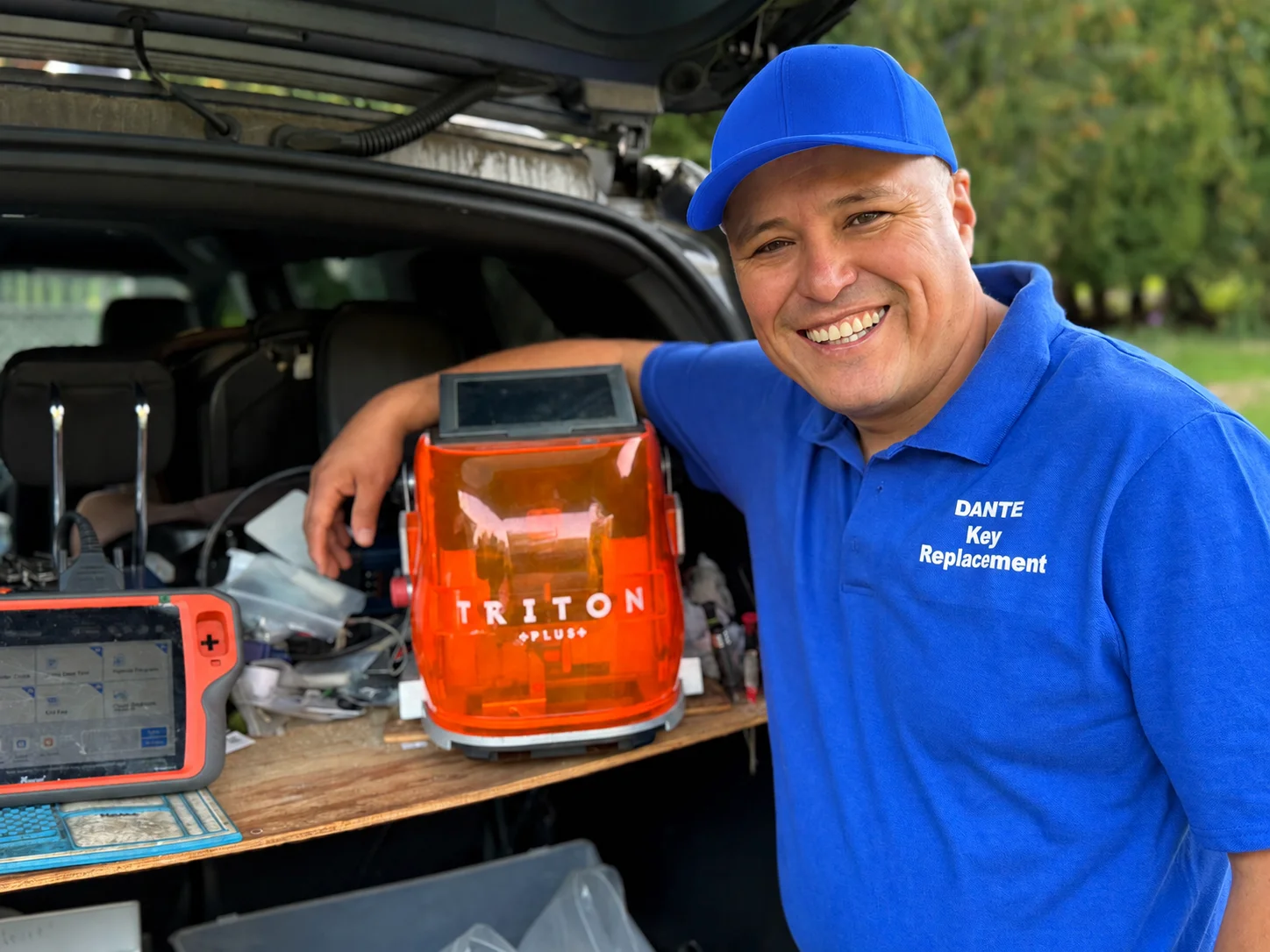
No. Ignition cylinder work is done at the vehicle, which matters because a car that will not turn on usually cannot be driven anywhere.
That is the same reason this is a mobile service at all. The most common ignition faults strand the vehicle exactly where it sits.
Sometimes. If the cylinder is replaced, the new one can often be keyed to match your existing key so you carry one key rather than two.
Where that is not possible for your vehicle, you get a new key for the ignition and keep the original for the doors, or the whole set is brought onto one key. Which options apply depends on the vehicle, and you are told before the work starts.
WIN stands for Wireless Ignition Node. It is the electronic ignition module used on many Chrysler, Dodge, and Jeep vehicles, and it takes the place of a traditional mechanical ignition switch.
When it fails, the vehicle may not recognize the key, may not crank, or may leave the key stuck. It is a module replacement and programming job rather than a cylinder repair, and it is work this business takes on.
EIS is the Electronic Ignition Switch and ESL is the Electronic Steering Lock. On many Mercedes-Benz vehicles these replace the mechanical ignition and steering lock entirely.
A failed ESL is a well known fault that leaves the steering locked and the vehicle unable to start. It is specialist work, it is not something most locksmiths take on, and it is work this business does.
Ignition and key trouble by vehicle
The brands this business is asked about most. Each page covers which key systems that brand uses and where a dealer may be required.
Describe exactly what the ignition does
Whether the key turns part way, needs jiggling, works on the doors, or is stuck. That description usually identifies the fault before anyone drives out.
Or send a service request online if you cannot call right now.
Call or text with the vehicle or the property, the exact location, and what happened. You get an upfront quote and an arrival estimate before anyone is dispatched, and you pay only after the work is done.
Opening hours
HoursMonday to Friday 6:00am to 9:00pm, Saturday 6:00am to 11:00am
- Monday to Friday 6:00am to 9:00pm
- Saturday 6:00am to 11:00am
- Sunday Closed
Outside these hours, emergency jobs are taken case by case and are not guaranteed. Call to confirm.
Payment: Card, tap to pay, or cash, taken once the work is done.